

What Does an Employee Meal Program Cost? Inside a 120-Person Example
When we walk a decision-maker through an employer-sponsored meal program, the first question is always the same: what does this cost? The honest answer is that it depends on two numbers you control, and both are smaller than most leaders expect. This post walks through the structure using one of our San Antonio accounts, a 120-employee company whose meal program the whole staff uses and rates 4.8 out of 5.
How the cost is structured
A subsidized meal program is the most affordable form of pantry benefit, because the company shares the cost with its employees instead of covering every item outright. Chef-crafted meals are stocked on-site through a micro market, the employer discounts them at the register, and employees pay the reduced price. The company's spend is the subsidy on meals people buy, nothing more.
That structure is what separates this from fully sponsored pantry service, where the employer covers everything and the budget scales with generosity. Both have their place, and plenty of companies run both, but when the goal is daily meals for a full staff at a controlled cost, subsidy is the efficient path.
The two numbers that set your budget
Participation. Employers can assume a 6 to 18% participation rate in subsidized meal programs. At 120 employees, that is roughly 7 to 22 meals on a given working day. Your rate lands within that range based on how deep the discount is, how good the menu is, and what else is within reach of the building.
Subsidy per meal. The employer decides how much of each meal's price to absorb. A deeper discount drives participation up; a lighter one keeps the per-meal spend down. Because the subsidy only applies to meals purchased, the budget tracks actual usage rather than headcount, and there is no spend on the days someone brings lunch from home.
Where the floor is
A program can start as low as $0.30 per person per day. For the 120-person company in our example, that entry point works out to about $36 on a working day, roughly what two catered pizzas cost, spread across an entire staff. From there, the program scales by deepening the discount or widening what it covers, and the company watches participation respond before committing more.
What employees see
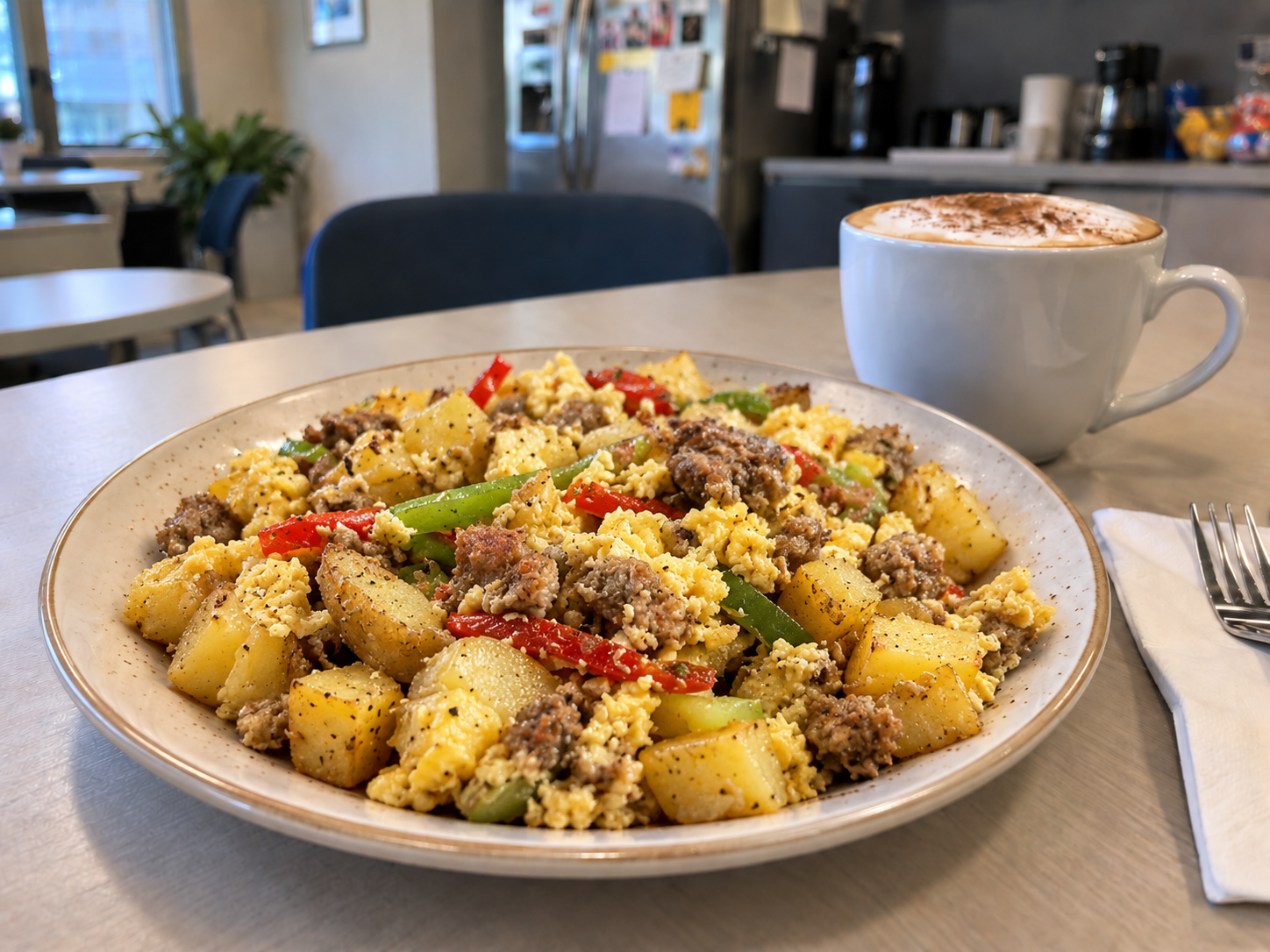
At our 120-person account, the average chef-crafted meal comes to $5.76 after the subsidy. The menu runs to things like blackened mahi mahi with cilantro lime rice, a side salad topped with buttermilk ranch, chips, and a drink for $10, or a breakfast sausage, egg, and country potato skillet for $4.75. Against a $12 to $15 lunch run, an employee eating on-site most days keeps noticeable money in their pocket every week, which is why programs like this earn ratings most benefits never see.
What the company gets back
The return shows up in how people feel about where they work. In ezCater's 2024 workplace food report, nearly 90% of employees said they view their company more favorably when food is provided, and 78% of corporate food buyers said it makes employees more likely to stay. A meal program also reaches the whole staff, including the people who never use a gym stipend or an education benefit, and it reaches them every working day.
Getting your number
The variables above turn into a specific monthly figure once we see your building: headcount, shifts, what food options sit nearby, and the discount level that fits your goals. That is what the site assessment is for, and it is free. If your company has 100 or more employees in San Antonio, call STX Vending at (210) 903-9363 or reach us through our contact page, and we will model the program at your team size before you spend a dollar.