

How to Choose an Office Coffee Service in San Antonio: 6 Questions to Ask Before You Sign
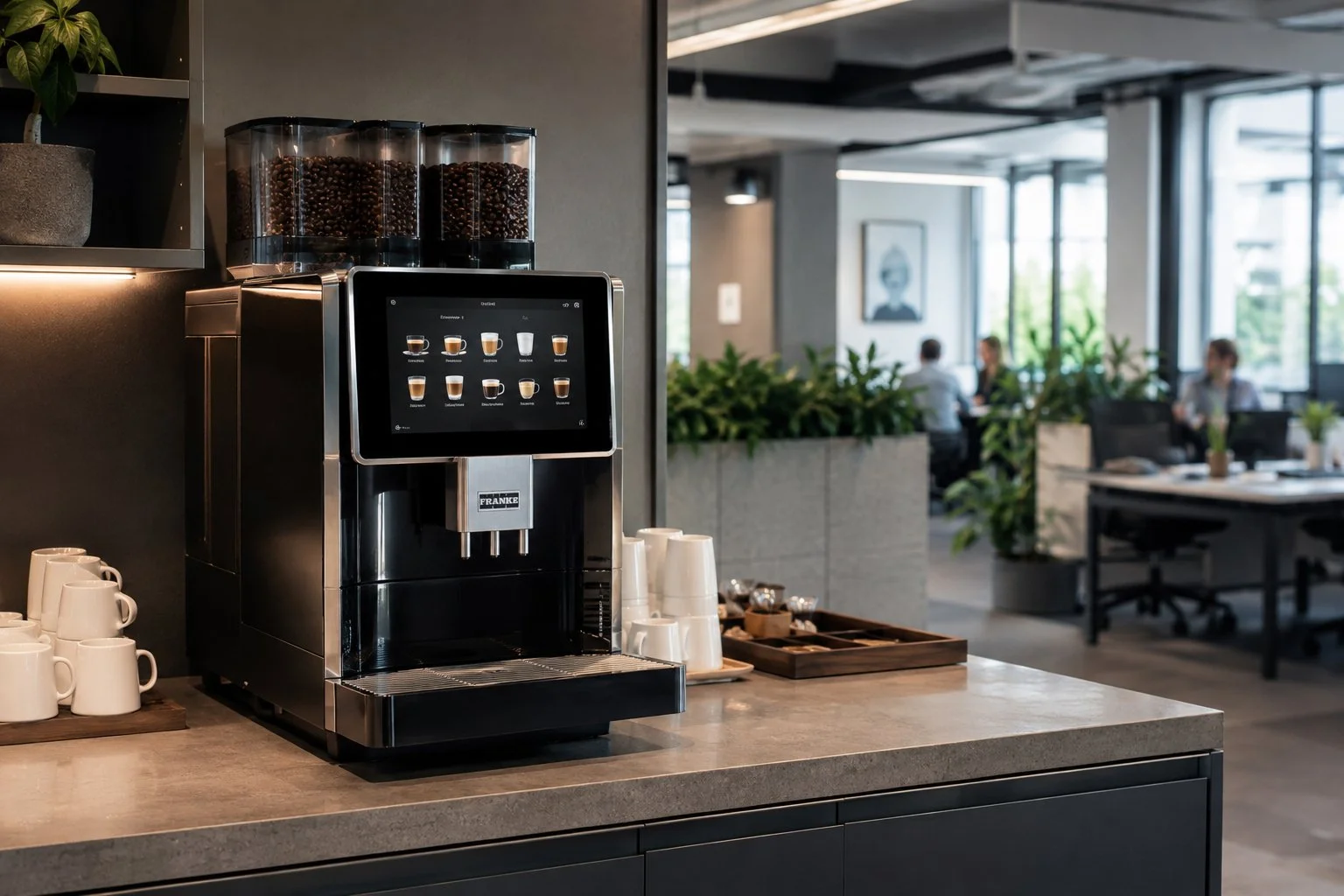
Coffee reaches more of your workforce than any other amenity you can offer. In the National Coffee Association's 2026 data, 66% of American adults drank coffee in the past day, more than any other beverage, bottled water included. That daily frequency is what makes office coffee service worth choosing carefully. The service touches nearly everyone, nearly every day, so the differences between providers show up fast.
Most providers will sound similar in a first conversation. These six questions surface the differences that matter before you commit.
1. What does the site need to qualify, and what is included at no cost?
Many providers, ours included, furnish and install equipment at no cost for qualifying locations. Ask what qualifies yours: headcount, expected volume, and the commitment involved. Then ask exactly what the no-cost side covers, since equipment, installation, service, and supplies can each sit on either side of the line depending on the provider and the program.
2. Who maintains the equipment, and how fast?
Because coffee is a daily habit, downtime gets noticed by the whole building within hours. Ask who performs repairs, whether maintenance is included or billed, and what the typical response time is for a San Antonio address. A local operator servicing its own routes can usually answer that question in hours; a provider dispatching from outside the market may be talking about days.
3. How does restocking work?
The two common models are scheduled route service, where the provider visits on a cycle and keeps the area stocked, and ordering, where someone on your staff monitors supplies and places orders. The difference decides how much of your admin time the program consumes. Ask what the route frequency would be for your volume and what happens when you run short between visits.
4. Can the program cover every shift and every break area?
Coffee service has no requirements for size, space, security, or shift structure, which is why it fits facilities that other formats cannot. Confirm the proposal reflects that: second and third shifts, multiple breakrooms, and areas guests pass through. A program designed around the front office alone leaves the people who lean on coffee most, early and overnight crews, outside of it.
5. What range of options is included, and can it change?
Ask what the program covers beyond a single daily pot: regular and decaf, teas, and the option mix your team will use. As important, ask how the selection adjusts over time. Preferences drift, headcount changes, and a provider on a regular route can reweight what gets stocked as usage shows what the building wants. Ask whether that adjustment is part of the service or a renegotiation.
6. What are the terms, and what happens as we grow?
Understand the commitment length, what ends it, and how pricing moves if your headcount doubles or you add a second location. It is also worth asking what else the provider can layer on later. Coffee is often the entry point to a broader refreshment plan, and a provider that also runs vending, micro markets, and pantry service can grow the program without adding a second vendor relationship.
A note on fit
Most of the formats we assess sites for come with conditions to meet. Coffee service is the exception: it fits nearly every workplace, so the question is rarely whether it works and usually how it should be built: which equipment tier, what route frequency, and which break areas. That is what a site visit settles. We walk the space, look at headcount and shifts, and propose a program sized to how your building runs, with equipment at no cost for qualifying San Antonio offices through our office coffee service.
Ask us these six questions too. Call STX Vending at (210) 903-9363 or reach us through our contact page for a free site survey.